
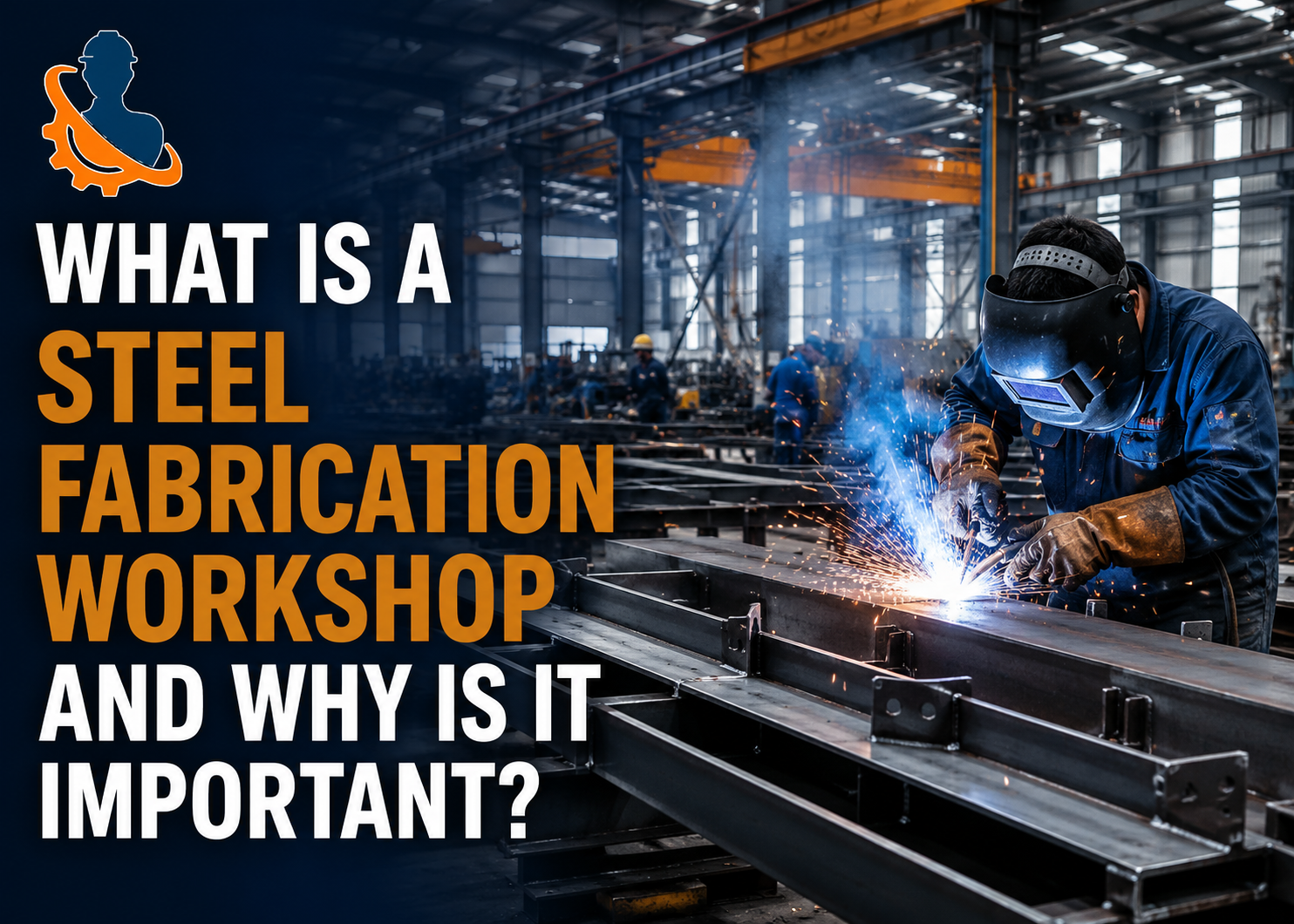
What Is a Steel Fabrication Workshop and Why Is It Important?
What Is a Steel Fabrication Workshop and Why Is It Important?
Steel is one of the most valuable materials used across construction, manufacturing, energy, infrastructure, mining, transportation, and heavy engineering. While raw steel provides strength and durability, it cannot serve its intended purpose without proper processing. This is where a Steel fabrication workshop becomes essential.
A fabrication workshop transforms raw steel into finished components through cutting, welding, bending, machining, drilling, and assembly. Every bridge, industrial plant, warehouse, commercial building, and manufacturing facility depends on accurately fabricated steel parts. The quality of fabrication directly influences structural integrity, operational safety, project timelines, and long-term performance.
At Sarojini Group, steel fabrication combines technical expertise, advanced machinery, and skilled workmanship to produce reliable components that meet demanding industrial standards. A well-equipped workshop ensures every project receives precision-engineered steel products designed for durability and efficiency.
What Is a Steel Fabrication Workshop?
A Steel fabrication workshop is a specialized industrial facility where steel materials are processed into finished or semi-finished products according to engineering drawings and customer specifications.
Rather than producing raw steel, the workshop focuses on modifying steel into usable structures and equipment. Skilled fabricators work with steel plates, beams, channels, pipes, angles, tubes, and sheets using specialized machines and fabrication techniques.
The finished products can include:
- Structural steel frames
- Industrial equipment
- Heavy machinery components
- Storage tanks
- Platforms and walkways
- Conveyor systems
- Pipe supports
- Steel sheds
- Prefabricated buildings
- Plant equipment
- Steel bridges
- Customized fabrication projects
Each fabricated product must meet exact measurements, load-bearing requirements, and safety standards before installation.
How Does a Steel Fabrication Workshop Operate?
Steel fabrication follows a systematic workflow to ensure precision and quality throughout production.
Design and Engineering
Every project starts with engineering drawings prepared using CAD software. These drawings specify dimensions, material grades, welding details, tolerances, and assembly instructions.
Engineers carefully review customer requirements before production begins.
Material Selection
Selecting the correct steel grade is essential for strength, corrosion resistance, durability, and application requirements.
Common materials include:
- Mild steel
- Carbon steel
- Stainless steel
- Alloy steel
- Structural steel
The selection depends on environmental conditions, operating loads, and project specifications.
Cutting
Raw steel is cut into precise dimensions using modern equipment such as:
- CNC plasma cutters
- Laser cutting machines
- Oxy-fuel cutting systems
- Band saws
- Shearing machines
Accurate cutting minimizes material waste while ensuring perfect component dimensions.
Forming and Bending
Steel sections are shaped into desired profiles using hydraulic presses, rolling machines, and bending equipment.
This process creates:
- Curved plates
- Pipe bends
- Structural angles
- Rolled sections
- Customized components
Machining
Machining improves dimensional accuracy by performing operations such as:
- Milling
- Turning
- Drilling
- Tapping
- Slotting
- Grinding
Precision machining allows fabricated components to fit perfectly during assembly.
Welding
Welding permanently joins steel components into complete structures.
Common welding methods include:
- MIG welding
- TIG welding
- Arc welding
- Flux-cored welding
- Submerged arc welding
Experienced welders follow approved welding procedures to achieve strong, durable joints.
Surface Preparation
Steel surfaces undergo cleaning to remove rust, oil, scale, and contaminants before protective coating.
Common preparation methods include:
- Sand blasting
- Shot blasting
- Chemical cleaning
- Mechanical grinding
Proper preparation improves paint adhesion and corrosion resistance.
Painting and Coating
Protective finishes extend service life by preventing corrosion.
Popular coating options include:
- Industrial painting
- Powder coating
- Zinc coating
- Epoxy coating
- Galvanizing
The selected finish depends on operating conditions and project requirements.
Quality Inspection
Every fabricated component undergoes rigorous inspection before delivery.
Inspection includes:
- Dimensional verification
- Welding inspection
- Material testing
- Visual examination
- Surface finish inspection
- Load testing when required
Only products meeting specified quality standards proceed for dispatch.
Why Is a Steel Fabrication Workshop Important?
A fabrication workshop contributes significantly to industrial development by producing customized steel solutions for numerous applications.
Delivers Precision Manufacturing
Engineering projects require components manufactured within tight tolerances.
Modern fabrication workshops use CNC machinery and advanced measurement tools to produce highly accurate steel products, reducing installation problems and improving structural performance.
Supports Large Infrastructure Projects
Major infrastructure projects depend on fabricated steel for strength and durability.
Examples include:
- Airports
- Railway stations
- Metro projects
- Industrial complexes
- Power plants
- Oil refineries
- Warehouses
- Manufacturing facilities
Without fabrication workshops, these developments would be difficult to execute efficiently.
Improves Structural Strength
Proper fabrication ensures steel structures withstand:
- Heavy loads
- Wind pressure
- Vibrations
- Dynamic forces
- Temperature variations
Quality workmanship significantly enhances structural reliability.
Reduces Material Waste
Efficient planning and CNC cutting optimize material usage.
Reduced waste lowers production costs while supporting sustainable manufacturing practices.
Accelerates Project Completion
Fabricated steel components arrive at project sites ready for installation.
This minimizes on-site fabrication work, reducing labor requirements and shortening project schedules.
Enables Custom Manufacturing
Every industrial project has unique specifications.
A fabrication workshop can produce customized products that match exact customer requirements, whether for heavy machinery, specialized equipment, or complex industrial systems.
Industries That Depend on Steel Fabrication Workshops
Steel fabrication supports nearly every industrial sector.
Construction Industry
Construction companies require fabricated steel for:
- Buildings
- Shopping complexes
- Warehouses
- Commercial towers
- Stadiums
- Industrial sheds
Steel fabrication provides strong structural frameworks that improve construction speed and durability.
Manufacturing Industry
Manufacturing plants require fabricated equipment including:
- Machine frames
- Production lines
- Platforms
- Support structures
- Storage racks
Customized fabrication improves operational efficiency.
Power Generation
Power plants rely on fabricated steel for:
- Boiler structures
- Chimney supports
- Equipment platforms
- Pipe systems
- Heavy structural assemblies
These components must withstand extreme operating conditions.
Mining Industry
Mining operations demand rugged fabricated equipment capable of handling harsh environments.
Applications include:
- Conveyor structures
- Crushers
- Material handling systems
- Support frames
- Processing equipment
Oil and Gas Sector
Fabricated steel supports:
- Offshore platforms
- Pipelines
- Storage facilities
- Refineries
- Processing plants
High-quality fabrication ensures long service life under demanding conditions.
Cement Industry
Cement plants use fabricated steel for:
- Kiln structures
- Material handling systems
- Dust collection units
- Storage silos
- Production equipment
Reliable fabrication minimizes maintenance requirements.
Essential Equipment Used in a Steel Fabrication Workshop
Modern fabrication workshops rely on advanced machinery for efficiency and precision.
Common equipment includes:
- CNC cutting machines
- Hydraulic press brakes
- Plate rolling machines
- Beam drilling machines
- Welding machines
- Lathe machines
- Milling machines
- Radial drilling machines
- Surface grinders
- Shot blasting machines
- Overhead cranes
- Material handling equipment
- CNC machining centers
Automation improves productivity while maintaining consistent quality.
Characteristics of a High-Quality Steel Fabrication Workshop
Selecting the right fabrication partner requires evaluating several important factors.
Skilled Workforce
Experienced engineers, welders, machinists, and quality inspectors contribute to superior fabrication quality.
Technical expertise ensures compliance with engineering standards.
Modern Infrastructure
Advanced equipment enables accurate fabrication while reducing production time.
Investment in modern technology reflects a commitment to quality manufacturing.
Strict Quality Control
Quality assurance should be integrated throughout production rather than limited to final inspection.
Regular testing minimizes defects and improves customer satisfaction.
Safety Standards
A professional workshop maintains strict safety practices including:
- Personal protective equipment
- Machine guarding
- Fire safety systems
- Safe material handling
- Welding safety procedures
Safe operations improve productivity while protecting employees.
Custom Engineering Capability
The ability to fabricate unique industrial components provides greater flexibility for customers with specialized requirements.
Benefits of Choosing an Experienced Steel Fabrication Partner
Working with an experienced fabrication company offers long-term advantages.
Better Product Quality
Experienced fabricators understand material behavior, welding procedures, machining tolerances, and structural requirements.
This results in stronger, more reliable fabricated products.
Cost Efficiency
Efficient production planning reduces:
- Material waste
- Rework
- Downtime
- Installation delays
Overall project costs remain under control.
Reliable Delivery
Timely fabrication helps projects stay on schedule.
Experienced workshops maintain organized production planning to meet committed delivery timelines.
Technical Support
Professional fabrication companies assist customers with:
- Material recommendations
- Design improvements
- Manufacturing feasibility
- Production planning
- Installation support
This collaborative approach improves project outcomes.
Long Service Life
Proper fabrication and protective finishing increase equipment durability while reducing maintenance expenses.
Quality Standards Followed in Steel Fabrication
Reliable fabrication workshops follow recognized industry practices to ensure product consistency.
Important quality measures include:
- Material traceability
- Certified welding procedures
- Qualified welders
- Dimensional inspections
- Non-destructive testing
- Surface preparation standards
- Protective coating inspections
- Final quality documentation
Following standardized procedures improves product reliability across every project.
Common Challenges in Steel Fabrication
Although fabrication has become highly advanced, workshops still address several production challenges.
Maintaining Tight Tolerances
Complex assemblies require exceptional dimensional accuracy.
Advanced CNC machinery and skilled operators help achieve consistent precision.
Managing Large Projects
Heavy industrial fabrication often involves thousands of individual components.
Effective production planning ensures smooth workflow from material procurement to final dispatch.
Controlling Welding Distortion
Heat generated during welding may affect dimensional accuracy.
Experienced fabricators use proper welding sequences and fixtures to minimize distortion.
Meeting Delivery Commitments
Industrial projects operate under strict deadlines.
Efficient scheduling, inventory management, and experienced production teams help maintain timely deliveries.
Why Sarojini Group Is a Trusted Steel Fabrication Partner
Sarojini Group combines engineering expertise, advanced manufacturing capabilities, and a commitment to quality to deliver dependable steel fabrication solutions.
The company focuses on precision manufacturing while maintaining high standards across every stage of production, from material selection and fabrication to inspection and finishing. Skilled professionals, modern machinery, and strict quality control enable the delivery of customized steel products that meet the demands of construction, manufacturing, infrastructure, energy, and heavy engineering projects.
By emphasizing accuracy, durability, and customer satisfaction, Sarojini Group helps clients achieve efficient project execution with fabricated steel components built for long-term performance.
Final Thoughts
A Steel fabrication workshop serves as the foundation of countless industrial and infrastructure projects. It transforms raw steel into engineered components that provide strength, functionality, and reliability across diverse applications. Precision manufacturing, skilled craftsmanship, advanced machinery, and rigorous quality control all contribute to producing steel structures capable of meeting demanding operational requirements.
Choosing a capable fabrication partner ensures consistent quality, timely project completion, reduced material waste, and dependable performance. With extensive expertise, modern manufacturing facilities, and a commitment to excellence, Sarojini Group delivers steel fabrication solutions that support industrial growth while meeting the highest expectations for quality and precision.
NEWSLETTER
Sign up your mailing list to get lastest Updates.