
Steel Fabrication Workshop Guide for Quality Manufacturing and Industrial Excellence
Steel Fabrication Workshop Guide for Quality Manufacturing and Industrial Excellence
A Steel fabrication workshop forms the backbone of modern industrial development, supporting sectors such as construction, infrastructure, power, mining, oil and gas, and heavy engineering. From raw steel plates to precision-engineered structures, every stage of fabrication demands skill, planning, discipline, and technical insight. At Sarojini Group, the focus remains on building reliable fabrication systems that balance strength, safety, efficiency, and long-term performance.
Steel fabrication is not merely about cutting and welding metal. It is a structured manufacturing process where design accuracy, material selection, workmanship, and inspection work together to create products that meet demanding industrial standards.
Role of a Steel Fabrication Workshop in Industrial Manufacturing
A fabrication workshop acts as a controlled environment where steel components are shaped, assembled, and finished for specific applications. Beams, columns, frames, platforms, ducts, pressure components, and customized assemblies are produced based on engineering drawings and project specifications.
For industrial clients, consistency and repeatability are critical. A professionally managed workshop ensures that every component matches dimensional tolerances and load-bearing requirements. Sarojini Group emphasizes systematic workflows that reduce errors, material wastage, and rework, ensuring dependable output for large-scale projects.
Layout and Infrastructure of a High-Performance Workshop
The physical layout of a fabrication facility directly affects productivity and safety. Efficient workshops are divided into clearly defined zones for material storage, cutting, forming, welding, finishing, and dispatch.
Adequate floor space allows smooth movement of raw materials and finished components using cranes, forklifts, and trolleys. Overhead cranes with suitable lifting capacity reduce manual handling and improve safety. Proper ventilation, lighting, and noise control create a healthier working environment for skilled technicians.
Sarojini Group invests in structured layouts that support uninterrupted workflow while complying with industrial safety norms.
Material Selection and Traceability
Steel quality defines the performance of the final product. Structural steel, carbon steel, alloy steel, and special grades are chosen based on load conditions, environmental exposure, and application requirements.
Material traceability is essential in professional fabrication. Each batch of steel should be accompanied by mill test certificates that confirm chemical composition and mechanical properties. Clear identification markings and organized storage prevent mix-ups during fabrication.
By maintaining strict material control systems, Sarojini Group ensures that fabricated components meet both client specifications and regulatory standards.
Cutting and Shaping Processes
Precision cutting sets the foundation for quality fabrication. Common cutting methods include shearing, oxy-fuel cutting, plasma cutting, and laser cutting, each selected based on thickness, accuracy, and production volume.
Accurate cutting minimizes fit-up issues during assembly and welding. Skilled operators and calibrated machines help achieve clean edges and correct dimensions. Bending and rolling processes are equally important, especially for tanks, ducts, and curved structural elements.
A disciplined approach to cutting and shaping improves assembly speed and enhances structural integrity.
Welding Excellence and Skilled Workforce
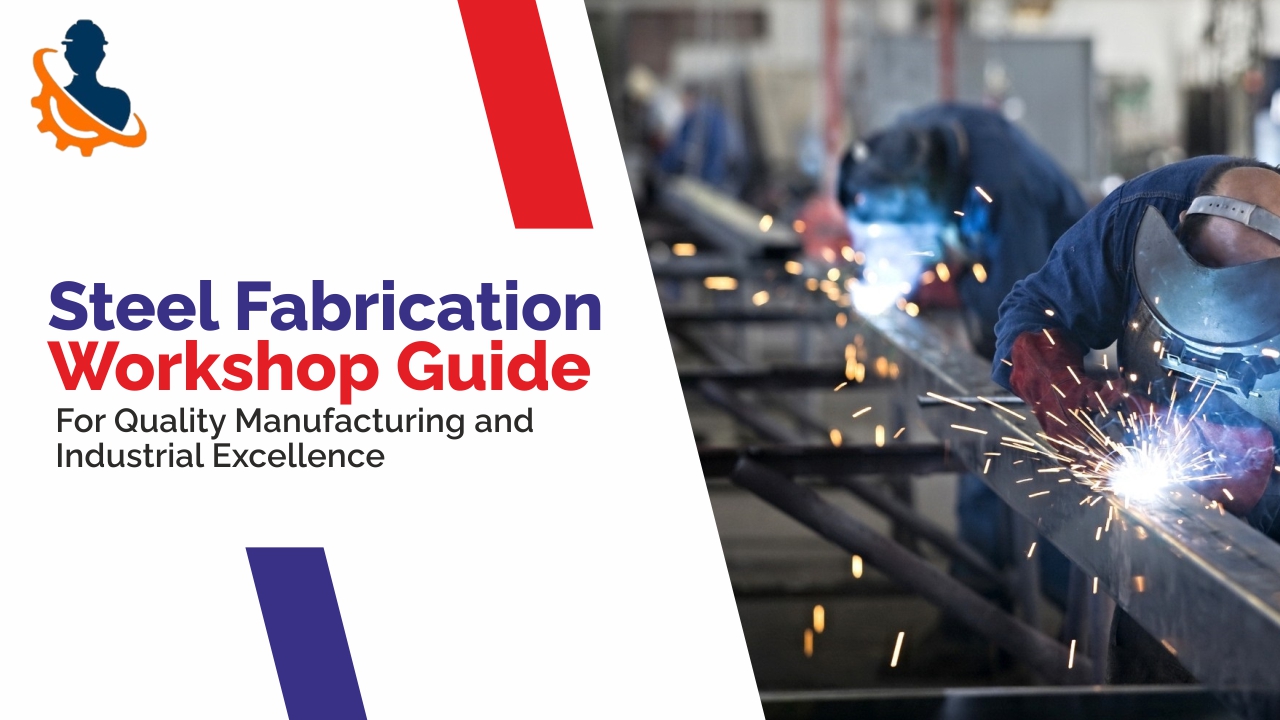
Welding is the core operation within any steel fabrication workshop. The strength of joints determines the durability of the entire structure. Processes such as SMAW, GMAW, GTAW, and SAW are used depending on material type and application.
Qualified welders, certified as per industry codes, play a crucial role in achieving consistent weld quality. Pre-weld preparation, correct electrode selection, controlled heat input, and post-weld treatment contribute to defect-free joints.
Sarojini Group prioritizes continuous skill development, ensuring that welders remain proficient in evolving fabrication techniques.
Quality Control and Inspection Practices
Quality assurance is not a final step; it runs parallel to fabrication activities. Dimensional checks, visual inspections, and welding inspections are carried out at defined stages to identify deviations early.
Non-destructive testing methods such as ultrasonic testing, radiographic testing, magnetic particle inspection, and dye penetrant testing help detect internal and surface flaws without damaging components.
Documented inspection records provide confidence to clients and auditors, reflecting the workshop’s commitment to excellence.
Surface Treatment and Protective Coatings
Steel structures often operate in harsh environments where corrosion can reduce service life. Surface preparation through shot blasting or sand blasting removes mill scale, rust, and contaminants.
Protective coatings such as primers, epoxy systems, galvanization, or specialized industrial paints are applied based on exposure conditions. Proper curing and thickness control ensure long-lasting protection.
Sarojini Group integrates coating processes into fabrication planning, delivering components that perform reliably over extended periods.
Safety Culture and Compliance
A safe steel fabrication workshop protects both people and assets. Handling heavy materials, high temperatures, and powerful machinery requires strict safety discipline.
Clear operating procedures, personal protective equipment, machine guarding, fire prevention systems, and regular safety training reduce workplace risks. Compliance with statutory regulations builds trust with employees and clients alike.
A strong safety culture also improves productivity by minimizing accidents and downtime.
Technology Integration and Process Optimization
Modern fabrication facilities benefit from digital tools such as CAD-based detailing, CNC machines, and production tracking systems. Accurate drawings reduce ambiguity, while automation improves speed and consistency.
Process optimization focuses on reducing cycle time, minimizing waste, and improving material utilization. Lean manufacturing principles help workshops deliver high-quality output while remaining cost-effective.
Sarojini Group continuously upgrades its systems to align fabrication practices with evolving industrial demands.
Custom Fabrication and Project Flexibility
Industrial projects often require customized steel solutions rather than standard components. A capable workshop adapts quickly to unique designs, tight schedules, and complex assemblies.
Coordination between design, fabrication, and site teams ensures smooth execution. Flexibility in production planning allows quick response to design changes or urgent requirements.
This adaptability strengthens long-term partnerships with clients across multiple industries.
Commitment to Industrial Excellence
A steel fabrication workshop reflects the values of the organization behind it. Precision, accountability, and craftsmanship define the difference between ordinary fabrication and industrial excellence.
Sarojini Group approaches fabrication as a disciplined manufacturing practice rather than a routine operation. Every beam, frame, and assembly produced is a result of structured planning, skilled execution, and rigorous quality control.
For industries seeking reliability, durability, and performance, a professionally managed fabrication facility remains a vital partner in project success.
NEWSLETTER
Sign up your mailing list to get lastest Updates.