

How a Ferroalloy Inspection Company Ensures Quality and Compliance in Global Trade
How a Ferroalloy Inspection Company Ensures Quality and Compliance in Global Trade
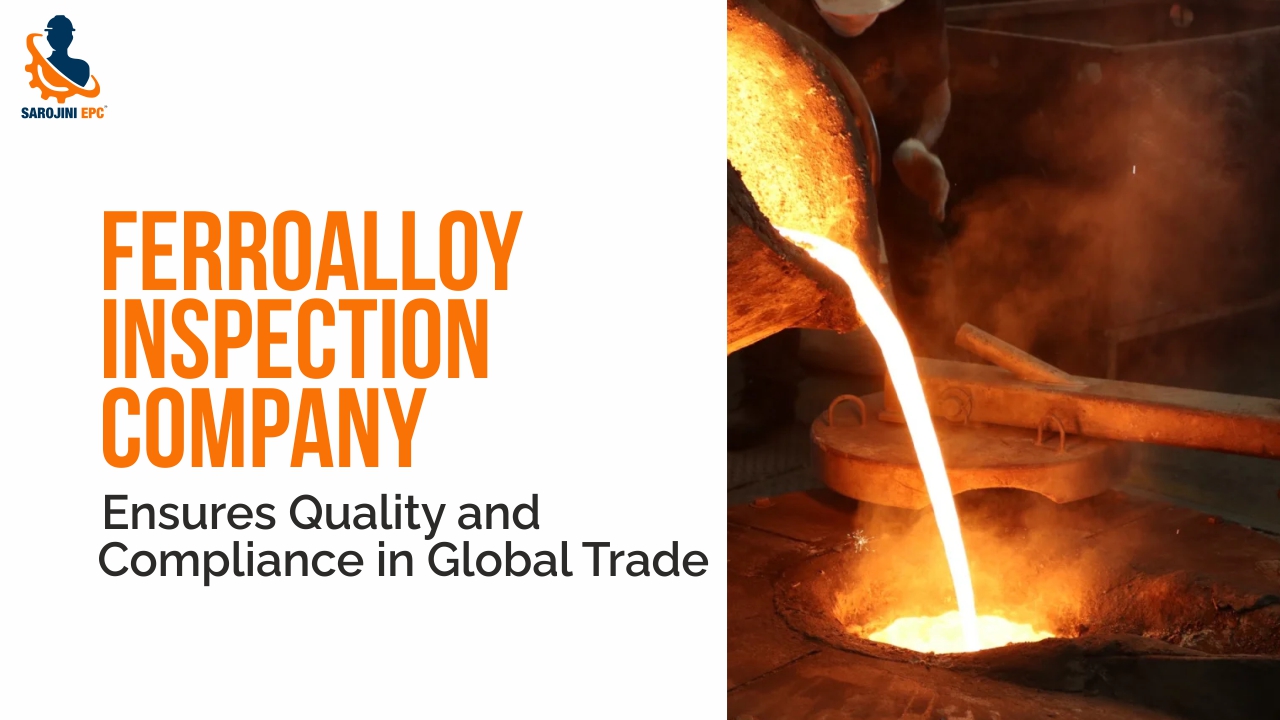
Global steel production and alloy manufacturing rely heavily on ferroalloys. From stainless steel to specialty alloys, these materials determine the strength, durability, and performance of industrial products. Because ferroalloys directly influence metal quality, buyers and suppliers require strict quality control during international transactions. This is where a ferroalloy inspection company plays a vital role by ensuring that every shipment meets industry specifications, regulatory requirements, and buyer expectations.
For steel producers, traders, and manufacturers, quality verification is not simply a routine step. It protects production efficiency, prevents costly disputes, and ensures that raw materials perform exactly as required in the furnace. Inspection services act as a neutral bridge between sellers and buyers, verifying chemical composition, physical properties, and shipment integrity before materials reach production lines.
Organizations like Sarojini Group contribute to this ecosystem by supporting quality assurance, technical evaluation, and compliance procedures that strengthen trust in the ferroalloy trade.
The Importance of Quality Assurance in Ferroalloy Trade
Ferroalloys such as ferromanganese, ferro chrome, ferrosilicon, and ferro molybdenum are essential inputs in steel manufacturing. Even a minor variation in composition can affect metallurgical performance.
For example:
- Excess carbon may weaken steel strength.
- Incorrect silicon levels may disrupt alloy balance.
- Contaminants can lead to defects in finished steel products.
Global trade involves shipments moving across continents, often handled by multiple parties including producers, traders, logistics providers, and buyers. Without reliable inspection processes, verifying the quality and quantity of materials becomes difficult.
Inspection companies ensure that:
- Chemical composition matches contractual specifications
- Weight and quantity are accurate
- Packaging and storage conditions maintain product quality
- International trade regulations are followed
This structured verification protects buyers from receiving substandard materials and protects suppliers from disputes over shipment quality.
Key Responsibilities of a Ferroalloy Inspection Company
Inspection companies perform multiple roles during procurement, transportation, and delivery of ferroalloys. Their responsibilities go far beyond basic sampling or documentation checks.
-
Sampling and Laboratory Testing
Accurate sampling is one of the most critical steps in ferroalloy inspection. Because ferroalloys are often transported in bulk or large containers, representative samples must be collected carefully.
Inspection specialists follow standardized sampling procedures to ensure fairness and reliability.
Once samples are collected, laboratory testing determines:
- Chemical composition
- Carbon content
- Silicon levels
- Phosphorus and sulfur presence
- Trace elements
Advanced analytical techniques such as spectrometry and X-ray fluorescence testing are commonly used to produce accurate results.
These laboratory results confirm whether the material meets contractual specifications before it is accepted by the buyer.
-
Pre-Shipment Inspection
Pre-shipment inspection helps verify material quality before cargo leaves the supplier’s facility or port.
During this process inspectors evaluate:
- Product grade and classification
- Particle size distribution
- Packaging conditions
- Quantity verification
- Labeling accuracy
This step reduces the risk of disputes once the shipment reaches the destination port. If issues are identified early, corrections can be made before export.
-
Loading and Shipment Supervision
Cargo handling can affect ferroalloy quality. Improper loading methods may cause contamination, moisture exposure, or product loss.
Inspection professionals supervise loading operations to ensure that:
- Materials are loaded according to agreed procedures
- Cargo is protected from contamination
- Containers are sealed properly
- Documentation matches the actual shipment
This supervision ensures transparency throughout the supply chain.
-
Weight Verification and Quantity Control
Disputes over cargo weight are common in bulk commodity trade. Inspection agencies verify weight using reliable measurement methods such as:
- Weighbridge checks
- Draft surveys for vessel shipments
- Container weight verification
Accurate quantity control ensures that buyers receive exactly what they purchased and sellers are compensated correctly.
-
Documentation and Certification
International trade requires strict documentation. Inspection companies issue detailed reports confirming:
- Quality test results
- Sampling procedures
- Shipment details
- Compliance with contractual standards
These inspection certificates serve as official proof that the cargo meets specified requirements.
Financial institutions, customs authorities, and buyers often rely on these documents to finalize transactions.
Ensuring Compliance with International Standards
Global ferroalloy trade involves regulatory frameworks and industry standards that must be followed carefully.
Inspection companies help maintain compliance with:
- Metallurgical industry specifications
- Export and import regulations
- Environmental and safety guidelines
- International trade documentation standards
Compliance verification reduces legal risks and supports smoother cross-border transactions.
For manufacturers and suppliers, this support is especially important when exporting to multiple countries with different regulatory requirements.
Preventing Quality Disputes in International Trade
Quality disagreements can lead to significant financial losses. If a buyer receives material that does not match the agreed specifications, production delays and contract conflicts may arise.
Inspection companies reduce these risks through independent verification.
When both parties accept inspection reports from a neutral organization, disputes are minimized because the evaluation process is transparent and technically validated.
This impartial approach strengthens trust between suppliers and buyers.
The Role of Technology in Ferroalloy Inspection
Inspection methods continue to evolve as technology advances. Modern laboratories and inspection teams rely on sophisticated tools to ensure precise testing and efficient reporting.
Key technologies used in ferroalloy inspection include:
Spectrometric Analysis
Spectrometers determine the exact chemical composition of ferroalloys within seconds. This technology ensures high accuracy and consistent test results.
X-Ray Fluorescence Testing
XRF analysis helps detect trace elements in ferroalloys. It provides quick and reliable chemical composition data.
Digital Reporting Systems
Digital platforms allow inspection reports to be shared instantly with stakeholders across the supply chain. This transparency speeds up decision-making and reduces communication delays.
Automated Sampling Equipment
Advanced sampling tools help collect representative samples efficiently, especially in large bulk shipments.
These technologies improve reliability, speed, and traceability in inspection processes.
Supporting Steel Manufacturers with Reliable Materials
Steel plants rely on consistent raw materials to maintain stable furnace operations. Ferroalloy composition directly influences steel quality, making inspection services essential for manufacturers.
When ferroalloys meet the correct chemical specifications:
- Steel strength improves
- Production efficiency increases
- Furnace operations remain stable
- Product defects decrease
Inspection companies therefore play an indirect but significant role in maintaining steel production quality.
Strengthening Transparency in Global Supply Chains
International supply chains involve multiple stakeholders including miners, processors, traders, shipping companies, and steel producers.
Transparency across these stages is essential for smooth operations.
Inspection companies strengthen supply chain integrity by providing:
- Independent verification
- Traceable documentation
- Clear communication between parties
- Standardized inspection procedures
This transparency ensures that all participants operate with confidence and accountability.
Why Industry Players Depend on Trusted Inspection Partners
Selecting the right inspection partner is important for companies involved in ferroalloy trade. Reliable inspection agencies offer expertise in metallurgy, quality testing, and international trade practices.
Industry professionals often look for inspection companies that provide:
- Experienced technical teams
- Accredited laboratory facilities
- Global inspection capabilities
- Transparent reporting systems
- Fast turnaround times for test results
Organizations such as Sarojini Group support industry stakeholders by delivering inspection expertise, technical insight, and quality verification services that help maintain strong trade relationships.
Key Benefits of Ferroalloy Inspection Services
Inspection services provide several advantages for suppliers, traders, and buyers involved in international ferroalloy trade.
Improved Product Reliability
Verified materials ensure consistent metallurgical performance during steel production.
Reduced Financial Risks
Independent inspection reports prevent disputes and protect contractual agreements.
Enhanced Regulatory Compliance
Inspection ensures that shipments meet regulatory and trade requirements.
Stronger Business Relationships
Transparent quality verification builds trust between buyers and suppliers.
Better Production Efficiency
Steel manufacturers benefit from stable raw materials that support efficient furnace operations.
Challenges in Ferroalloy Quality Control
Maintaining consistent quality in ferroalloy shipments can be challenging due to several factors.
Variability in Raw Materials
Ferroalloy production depends on mineral sources, which may vary in composition. Careful inspection ensures these variations do not affect final product quality.
Logistics and Transportation Risks
Moisture exposure, contamination, or improper handling during transport can impact material quality.
Complex International Trade Regulations
Export and import requirements differ between countries. Inspection companies help navigate these regulatory complexities.
By addressing these challenges, inspection agencies ensure smoother operations for global traders and manufacturers.
Sarojini Group and Industry Quality Assurance
Sarojini Group contributes to the ferroalloy and steel ecosystem by supporting quality assurance, technical services, and inspection expertise. Through structured testing processes and professional evaluation methods, the organization helps clients maintain high standards across international transactions.
With deep industry experience and technical knowledge, Sarojini Group assists businesses in verifying product quality, meeting compliance requirements, and strengthening trust in global trade operations.
Final Thoughts
Ferroalloys remain essential to modern steel production and industrial manufacturing. Because these materials influence the performance of critical infrastructure, machinery, and construction projects, maintaining strict quality standards is essential.
Inspection companies act as guardians of quality within the global supply chain. Through detailed sampling, laboratory testing, shipment supervision, and compliance verification, they ensure that ferroalloys meet precise specifications before reaching steel plants and manufacturers.
A trusted ferroalloy inspection company not only protects buyers and suppliers but also strengthens transparency and efficiency throughout international trade. By ensuring accurate testing, reliable documentation, and adherence to global standards, inspection services support a more dependable and sustainable ferroalloy market.
For industry participants seeking reliability and technical expertise, organizations like Sarojini Group provide the inspection support necessary to maintain quality, trust, and long-term success in the competitive ferroalloy trade sector.
NEWSLETTER
Sign up your mailing list to get lastest Updates.