

Ferro Alloy Industry Driving Innovation and Growth in Steel Manufacturing
Ferro Alloy Industry Driving Innovation and Growth in Steel Manufacturing
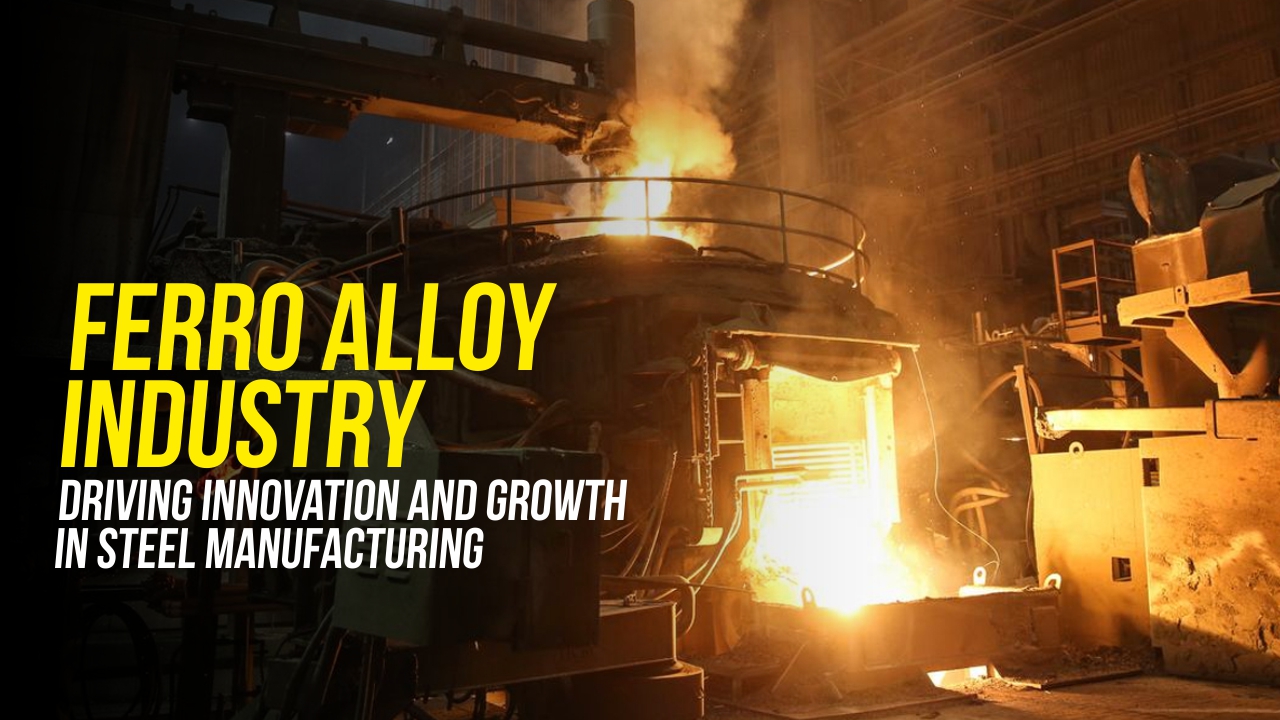
The Ferro Alloy Industry has emerged as a cornerstone of steel manufacturing, providing essential materials that enhance the strength, durability, and versatility of steel. Ferro alloys, which include ferro chrome, ferromanganese, ferrosilicon, and others, play a pivotal role in improving the mechanical properties of steel, making it suitable for applications ranging from construction and automotive to machinery and infrastructure. Companies like Sarojini Group are at the forefront, supplying high-quality alloys that cater to the evolving demands of the steel sector.
Steel manufacturers rely heavily on the precise composition of ferro alloys to produce metals with consistent quality and superior performance. Each type of ferro alloy contributes specific characteristics: ferro chrome increases corrosion resistance and hardness, ferromanganese improves tensile strength, and ferrosilicon enhances castability and reduces oxidation during steel production. This fine-tuning of properties ensures that steel can meet the rigorous requirements of modern engineering projects, allowing builders and engineers to achieve structural integrity and longevity.
Role of Ferro Alloys in Advanced Steel Production
The integration of ferro alloys in steel production is critical for advancing metallurgical innovation. By carefully selecting and blending alloys, steelmakers can develop specialized steels tailored for high-performance applications. For example, stainless steel requires precise amounts of chromium and nickel to resist corrosion, while high-strength low-alloy (HSLA) steel incorporates manganese and vanadium for structural projects. The Ferro Alloy Industry provides the essential raw materials that make these innovations possible.
Furthermore, ferro alloys contribute to sustainable steel manufacturing. Optimized alloy compositions reduce waste during production, lower energy consumption, and extend the life cycle of steel products. Companies such as Sarojini Group focus on delivering alloys with high purity and consistent quality, enabling steel producers to maximize efficiency while maintaining environmental standards.
Technological Advancements and Process Efficiency
Advancements in the Ferro Alloy Industry have transformed the way steel is manufactured. Modern electric arc furnaces and induction furnaces require precise alloying to achieve desired chemical compositions. Automation, computer-controlled dosing, and high-efficiency smelting processes have increased productivity and consistency. By supplying alloys that meet these technological demands, the Ferro Alloy Industry helps steel manufacturers maintain competitive advantage while ensuring uniform quality across batches.
High-grade ferro alloys also facilitate innovations in steel processing techniques such as vacuum degassing, ladle metallurgy, and continuous casting. These processes require alloys that melt predictably and blend seamlessly into molten steel. By partnering with experienced suppliers like Sarojini Group, steel manufacturers can access alloys tailored to these advanced techniques, resulting in reduced defects, enhanced surface quality, and improved mechanical properties.
Global Demand and Strategic Importance
The global demand for steel is driven by construction, automotive, energy, and infrastructure development. The Ferro Alloy Industry directly supports this demand by providing essential components that influence steel performance. Countries investing in high-tech infrastructure and industrial expansion rely on consistent supplies of ferro alloys to maintain uninterrupted steel production.
Moreover, ferro alloy production is strategically significant because it impacts a nation’s industrial self-reliance. Access to high-quality alloys enables domestic steel industries to compete globally, reduce import dependency, and maintain supply chain stability. Suppliers like Sarojini Group play a crucial role by ensuring that manufacturers have a reliable source of ferro alloys capable of meeting exacting specifications.
Customization and Industry-Specific Solutions
One of the defining aspects of the Ferro Alloy Industry is its ability to provide customized solutions. Steel manufacturers often require alloys with specific carbon content, trace elements, and particle size distributions to optimize their processes. Recognizing this need, leading suppliers offer tailored solutions that align with the unique demands of various steel grades.
For instance, high-carbon ferrochrome is essential for stainless steel production, while low-carbon ferrochrome is used where precise corrosion resistance is required. Similarly, ferromanganese can be supplied in different grades to balance strength and ductility in structural steel. By offering this level of specialization, the Ferro Alloy Industry supports innovation across diverse applications, from heavy machinery and construction to automotive components and aerospace engineering.
Quality Assurance and Standards Compliance
The quality of ferro alloys directly influences the reliability and performance of steel products. Industry standards, certifications, and rigorous testing protocols ensure that alloys meet exact specifications. Reputable suppliers, including Sarojini Group, prioritize quality assurance at every stage—from raw material sourcing to production and delivery.
Advanced metallurgical testing, spectrometry, and chemical analysis are employed to confirm that alloy composition, particle size, and purity meet required standards. By maintaining strict quality control, the Ferro Alloy Industry ensures that steel manufacturers can produce consistent, high-performance materials suitable for demanding industrial applications.
Economic and Industrial Impact
The Ferro Alloy Industry contributes significantly to industrial growth and economic development. By supplying essential raw materials for steel production, it enables the creation of durable infrastructure, transportation systems, and machinery that drive industrialization. The availability of high-quality alloys also encourages innovation, allowing manufacturers to develop specialized steel grades that meet emerging engineering challenges.
Investments in ferro alloy manufacturing also generate employment opportunities, stimulate technological development, and foster partnerships with steel producers. Companies like Sarojini Group not only supply materials but also collaborate with manufacturers to improve process efficiency, optimize alloy use, and reduce production costs, reinforcing the industry’s role as a catalyst for growth.
Future Outlook
The Ferro Alloy Industry is poised for continued expansion, fueled by technological advancement and industrial demand. Research and development in metallurgical processes, energy-efficient production, and sustainable practices are driving innovation. Suppliers are increasingly focusing on producing alloys with minimal environmental impact while maintaining high performance.
Emerging markets, infrastructure projects, and industrial diversification will continue to increase the need for high-quality ferro alloys. By aligning supply capabilities with industry requirements, companies such as Sarojini Group are ensuring that steel manufacturers have access to materials that support cutting-edge engineering and sustainable growth.
Conclusion
The Ferro Alloy Industry is an integral part of steel manufacturing, enabling innovation, quality, and efficiency across industrial sectors. Through precision, consistency, and tailored solutions, ferro alloys enhance the mechanical properties of steel, support advanced production methods, and drive sustainable industrial growth. Suppliers like Sarojini Group exemplify the industry’s commitment to reliability, quality, and partnership, ensuring that steel manufacturers have the materials they need to meet evolving engineering and infrastructure challenges.
By continually advancing alloy technology and maintaining high standards, the Ferro Alloy Industry remains a vital contributor to the growth and modernization of steel manufacturing, supporting industries and economies worldwide with durable, high-performance materials.
NEWSLETTER
Sign up your mailing list to get lastest Updates.