

What Is the Ferro Alloy Industry and Why It Is Crucial for Modern Steel Production
What Is the Ferro Alloy Industry and Why It Is Crucial for Modern Steel Production
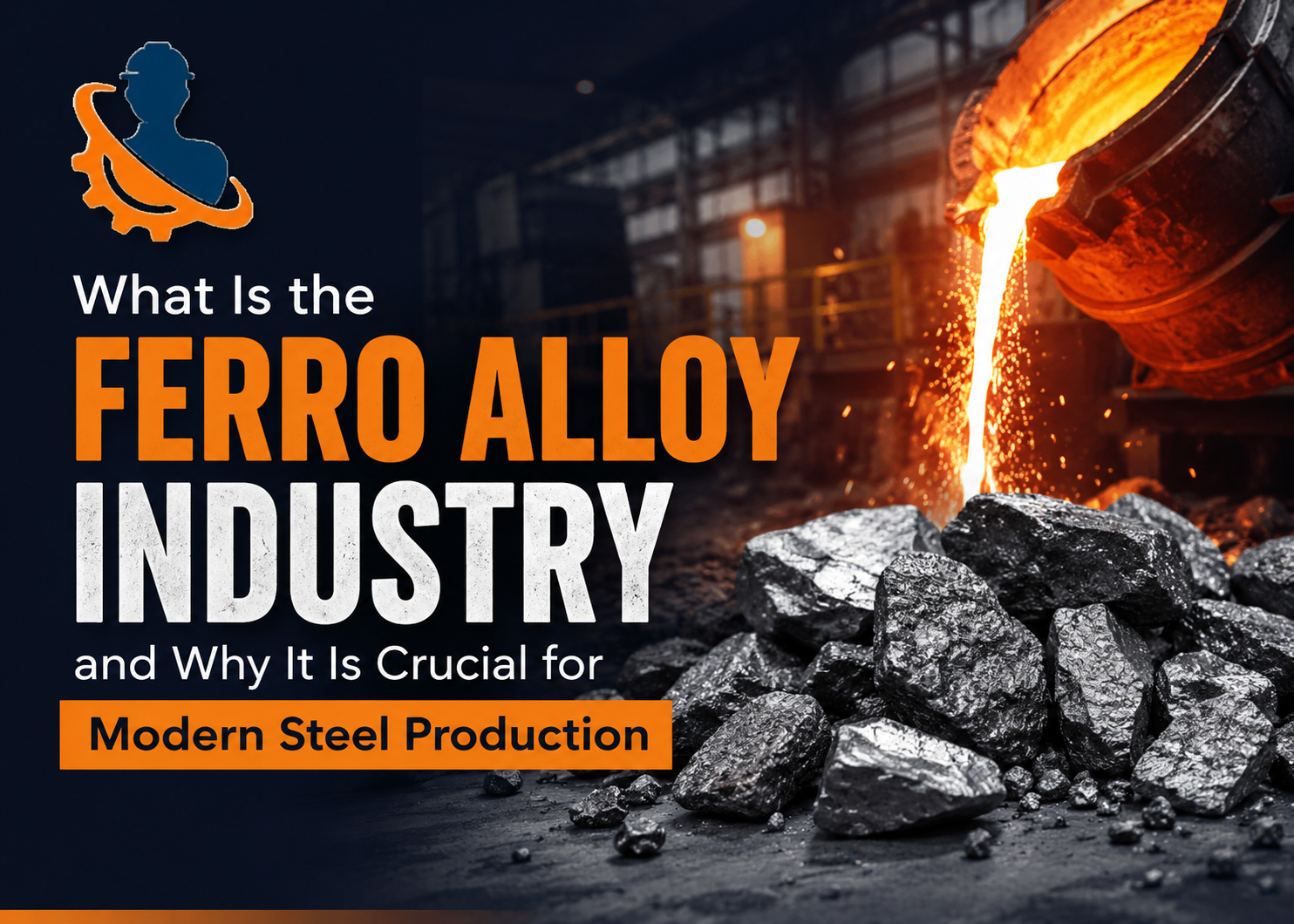
The growth of modern infrastructure, heavy engineering, transportation systems, and energy networks depends heavily on one core material—steel. Behind the strength, durability, and performance of steel lies a less visible but extremely important sector known as the Ferro Alloy Industry. This sector supplies essential alloying materials that transform ordinary steel into high-performance material suitable for demanding applications.
The role of ferro alloys is not limited to enhancement alone; it directly influences quality, production efficiency, and cost optimization in steel making. Without these inputs, modern steel would lack the strength, corrosion resistance, and heat tolerance required for industrial use.
What the Ferro Alloy Industry Represents
The Ferro Alloy Industry refers to the production and supply of ferro alloys—metallic compounds formed by combining iron with one or more elements such as manganese, silicon, chromium, or vanadium. These alloys are primarily used as raw materials in steel manufacturing to improve its physical and chemical properties.
Steel is rarely used in its pure form. It is modified through controlled alloying, and ferro alloys serve as the primary carriers of these elements. The industry operates at the intersection of mining, metallurgy, and large-scale industrial manufacturing.
In simple terms, this sector provides the “strength-building ingredients” for steel production.
Key Types of Ferro Alloys Used in Steel making
Different ferro alloys serve different functions in steel production. Each contributes a specific property that enhances steel performance.
Ferro Manganese
Ferro manganese is widely used for deoxidizing steel and improving hardness. It increases wear resistance and is essential in manufacturing structural steel.
Ferro Silicon
Ferro silicon is used to remove oxygen from molten steel. It also improves elasticity and magnetic properties, making it valuable in electrical steel production.
Ferro Chromium
This alloy is essential for producing stainless steel. It increases corrosion resistance and adds shine and durability.
Ferro Vanadium
Ferro vanadium enhances strength and fatigue resistance. It is commonly used in high-strength low-alloy steel used in construction and automotive sectors.
Ferro Nickel
Ferro nickel contributes to toughness and resistance against heat and corrosion, making it suitable for specialized industrial applications.
Each of these alloys plays a strategic role in refining steel characteristics for specific industrial requirements.
How Ferro Alloys Are Manufactured
Production of ferro alloys is a technically intensive process involving high-temperature smelting and controlled chemical reactions.
Raw Material Selection
The process begins with selecting high-grade ores such as manganese ore, chromite ore, or quartzite, depending on the alloy being produced.
Smelting Process
The raw materials are fed into submerged arc furnaces or electric arc furnaces. Carbon is used as a reducing agent, allowing the extraction of metallic elements from ores.
Reduction and Alloy Formation
At extremely high temperatures, oxygen is removed, and metals combine with iron to form ferro alloys.
Cooling and Solidification
Once the desired composition is achieved, the molten alloy is cast into molds and cooled for further processing and shipment.
Quality Control
Each batch undergoes chemical analysis to ensure precise composition, as even minor variations can affect steel quality.
This controlled production process ensures consistency, which is vital for steel manufacturers.
Importance of Ferro Alloy Industry in Steel Production
The steel sector cannot function efficiently without ferro alloys. Their importance extends across multiple aspects of production.
Enhancing Steel Strength
Ferro alloys improve tensile strength, hardness, and durability, making steel suitable for heavy-duty applications.
Improving Corrosion Resistance
Elements like chromium and nickel protect steel from rust and chemical damage, especially in harsh environments.
Deoxidation of Steel
Oxygen trapped in molten steel weakens its structure. Ferro silicon and ferro manganese remove oxygen, resulting in cleaner steel.
Cost Optimization
Using ferro alloys reduces the need for excessive refining and improves production efficiency, lowering overall costs.
Enabling Specialized Steel Grades
From stainless steel to tool steel and structural steel, ferro alloys enable customization based on industrial requirements.
Without these materials, modern steel production would be limited to low-grade output.
Industrial Applications of Ferro Alloys
Ferro alloys are essential across a wide range of industries, making them a backbone of industrial development.
Construction Sector
High-rise buildings, bridges, and infrastructure projects rely on steel strengthened by ferro alloys.
Automotive Industry
Vehicle frames, engines, and safety components require high-strength and heat-resistant steel.
Energy Sector
Power plants, turbines, and transmission systems depend on alloyed steel for reliability and durability.
Railway and Transportation
Rail tracks, wagons, and infrastructure components are made using specialized steel grades.
Defense and Aerospace
Advanced steel alloys are critical for defense equipment and aerospace components due to their strength-to-weight ratio.
Each application highlights the essential role of ferro alloys in shaping modern engineering systems.
Challenges Faced by the Ferro Alloy Industry
Despite its importance, this sector faces multiple operational and market challenges.
Raw Material Dependency
Availability and cost of ores directly impact production stability.
Energy Intensive Operations
High electricity consumption in furnaces increases production costs significantly.
Environmental Regulations
Strict emission standards require continuous investment in cleaner technologies.
Price Volatility
Global demand fluctuations lead to unstable pricing of ferro alloys.
Technological Upgradation Needs
Continuous innovation is required to improve efficiency and reduce energy consumption.
Addressing these challenges is essential for long-term sustainability of the sector.
Emerging Trends in Ferro Alloy Production
The industry is gradually shifting toward more efficient and sustainable practices.
Energy Efficient Furnaces
Modern furnaces are being designed to reduce electricity consumption and improve output quality.
Recycling of Industrial Waste
Use of slag recycling and waste recovery systems is increasing to reduce environmental impact.
Automation in Production
Digital monitoring systems are improving precision in alloy composition and furnace control.
Demand Growth from Infrastructure Expansion
Expansion of urban infrastructure and industrial development is driving consistent demand for high-quality steel, indirectly boosting ferro alloy consumption.
Focus on Green Metallurgy
Efforts are being made to reduce carbon emissions and adopt cleaner production methods.
These shifts indicate a more responsible and technology-driven future for the sector.
Sarojini Group and Its Role in Industrial Development
Sarojini Group plays an active role in supporting industrial ecosystems that depend on high-quality materials and engineering solutions. With a strong focus on manufacturing and infrastructure-related sectors, the organization contributes to supply chain efficiency and industrial growth.
By aligning with sectors such as steel production and allied materials, Sarojini Group supports industries that rely on consistent quality, technical precision, and reliable supply networks. The connection with ferro alloy-driven steel applications reflects a commitment to strengthening industrial foundations across multiple domains.
Why Ferro Alloys Remain Essential for Modern Steel
Steel production without ferro alloys would result in a material that lacks durability, resistance, and versatility. The combination of iron with controlled alloying elements defines the performance level of steel used in everything from skyscrapers to transportation systems.
The Ferro Alloy Industry ensures that steel meets the required standards of modern engineering. Its contribution is not limited to metallurgy; it extends into economic development, infrastructure expansion, and technological progress.
Final Thoughts
The evolution of steel has been closely tied to advancements in ferro alloy production. As industries continue to demand stronger, lighter, and more durable materials, the importance of ferro alloys becomes even more significant.
This sector remains a key pillar supporting industrial growth, ensuring that steel continues to meet the demands of modern construction, manufacturing, and innovation-driven sectors.
NEWSLETTER
Sign up your mailing list to get lastest Updates.