

Future Growth Opportunities in the Ferro Alloy Industry Explained for New and Experienced Buyers
Future Growth Opportunities in the Ferro Alloy Industry Explained for New and Experienced Buyers
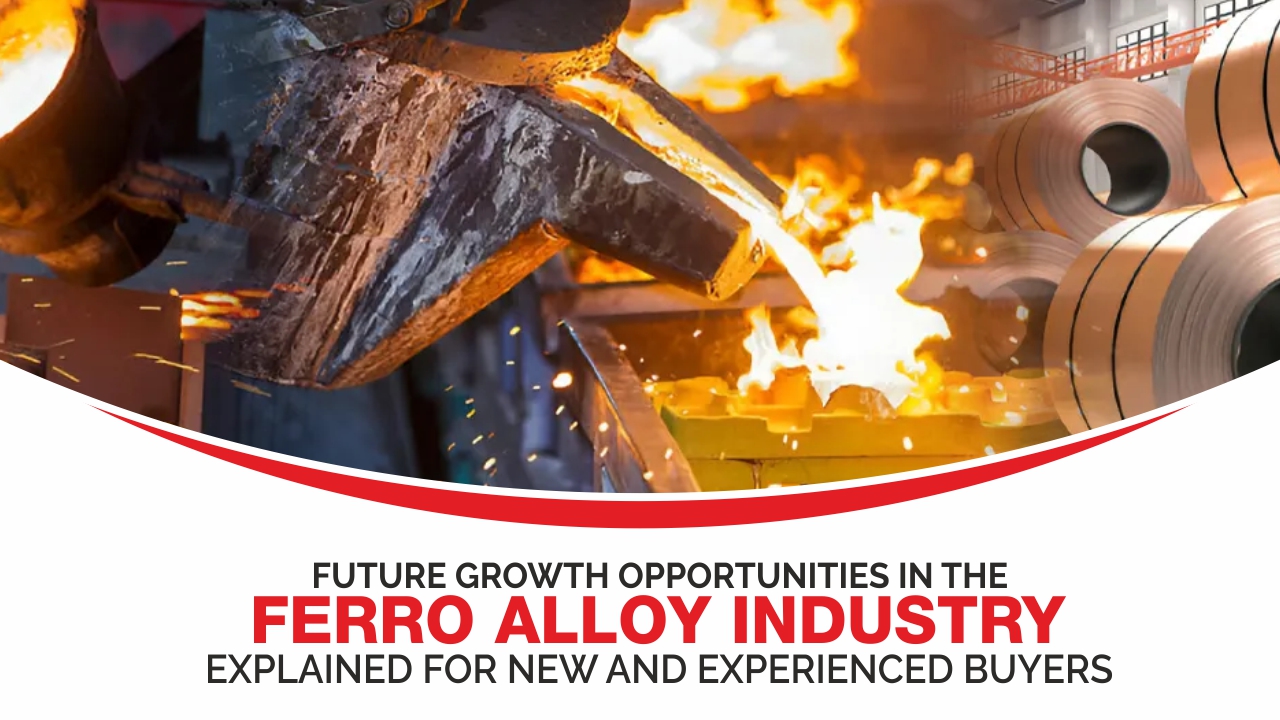
The Ferro Alloy Industry has emerged as a cornerstone of modern manufacturing, powering sectors ranging from steel production to specialty metal applications. With increasing demand for high-performance alloys in construction, automotive, and energy sectors, the market is poised for significant expansion. For new and experienced buyers, staying informed about evolving opportunities is critical to making strategic procurement decisions and maximizing long-term returns.
Rising Demand in Steel and Specialty Metals
Ferro alloys, essential for enhancing the strength, durability, and corrosion resistance of steel, are witnessing rising demand driven by infrastructural development and industrial modernization. Steel manufacturers increasingly require alloys such as ferro chrome, ferromanganese, and ferrosilicon to meet stringent quality standards. This trend not only boosts production volumes but also encourages innovation in alloy compositions to cater to specialized applications, such as high-strength steel for automotive and construction industries. Buyers who anticipate shifts in alloy demand can benefit from timely procurement and strategic partnerships with reliable suppliers like Sarojini Group.
Technological Advancements and Process Optimization
Advances in metallurgical technology are transforming the Ferro Alloy Industry, making production more energy-efficient and cost-effective. Electric arc furnace (EAF) technology, vacuum induction melting, and improved smelting techniques are reducing waste, lowering production costs, and increasing product quality. Buyers who stay abreast of these technological improvements can leverage opportunities to source superior alloys at competitive rates. Additionally, adopting predictive analytics in supply chain management helps buyers forecast demand accurately and maintain optimal inventory levels, minimizing risk during market fluctuations.
Expanding Applications Beyond Steel
While the steel industry remains the largest consumer of ferro alloys, new applications are emerging in sectors such as aerospace, renewable energy, and electronics. High-performance alloys are crucial in manufacturing components that withstand extreme temperatures and mechanical stress, such as turbine blades, aircraft frames, and advanced electrical devices. The expansion of electric vehicle production is also driving demand for ferro alloys that enhance battery efficiency and durability. Buyers who diversify their sourcing strategies can capitalize on these emerging markets and secure a competitive advantage.
Strategic Sourcing and Supplier Partnerships
Selecting the right supplier is fundamental for long-term success in the Ferro Alloy Industry. Experienced buyers recognize the importance of working with partners that provide consistent quality, reliable delivery, and technical support. Companies like Sarojini Group emphasize transparent communication, timely logistics, and tailored solutions to meet specific alloy requirements. Building strong supplier relationships can ensure stability in procurement, reduce exposure to price volatility, and enable access to premium products and emerging alloy grades.
Global Trade Dynamics and Market Opportunities
International trade policies, import-export regulations, and commodity pricing significantly influence the Ferro Alloy Industry. Buyers who monitor global trends, such as shifts in ore availability, production capacities, and trade restrictions, can make informed decisions that minimize risk and maximize profit potential. For instance, strategic sourcing from regions with abundant raw materials can offer cost advantages, while investing in domestic production collaborations can mitigate dependency on imports. Understanding market cycles allows buyers to align procurement strategies with periods of high availability or favorable pricing.
Sustainability and Environmental Considerations
Sustainability is becoming a defining factor in industrial procurement. Buyers are increasingly evaluating suppliers based on their environmental practices, such as energy-efficient production, waste management, and carbon footprint reduction. Eco-conscious sourcing not only supports global sustainability initiatives but also strengthens corporate credibility and compliance with environmental regulations. Suppliers that integrate green technologies in ferro alloy production are likely to gain competitive edge, and buyers who prioritize sustainable sourcing can benefit from both cost efficiency and brand value.
Emerging Technologies Driving Alloy Innovation
The Ferro Alloy Industry is undergoing continuous innovation driven by research and development in materials science. New alloys with enhanced mechanical properties and specialized compositions are enabling applications previously considered unfeasible. For example, alloys optimized for additive manufacturing (3D printing) are opening opportunities in aerospace and high-tech engineering. Buyers who track these advancements and adapt purchasing strategies accordingly can access cutting-edge materials that improve product performance and reduce manufacturing challenges.
Market Intelligence and Risk Management
Volatility in raw material prices and production output requires buyers to adopt proactive risk management strategies. Tools such as market intelligence platforms, price trend analytics, and predictive forecasting models allow buyers to anticipate supply disruptions and negotiate favorable contracts. Diversifying suppliers and maintaining flexible inventory arrangements can also reduce exposure to unforeseen disruptions. Experienced buyers understand that a robust risk management framework is essential to navigating the dynamic environment of the Ferro Alloy Industry.
Customization and Value-Added Services
Modern buyers increasingly demand value-added services beyond the basic supply of alloys. These may include custom alloy grades, precise packaging solutions, technical advisory, and on-site support. Suppliers capable of offering tailored solutions enhance operational efficiency for manufacturers and improve the quality of the final product. Partnering with such suppliers allows buyers to optimize production workflows, reduce waste, and gain access to specialized expertise that can drive innovation within their own operations.
Investment in Infrastructure and Logistics
The logistics and infrastructure supporting the Ferro Alloy Industry play a crucial role in market growth opportunities. Efficient transportation networks, storage facilities, and port access are vital to ensuring timely delivery and minimizing costs. Buyers who collaborate with suppliers having robust infrastructure can maintain consistent supply chains and meet tight production schedules. Strategic investments in these areas can result in improved operational efficiency and greater responsiveness to market demands.
Emerging Markets and Regional Opportunities
Emerging industrial markets are generating significant demand for ferro alloys, particularly in regions with rapidly growing manufacturing and construction sectors. Buyers who expand sourcing and sales strategies to these regions can unlock new revenue streams. Additionally, regional policies promoting industrial growth and infrastructure development create favorable conditions for investment in ferro alloy supply chains. Keeping a pulse on regional developments allows buyers to capitalize on opportunities while mitigating market-specific risks.
Conclusion
The Ferro Alloy Industry offers a landscape of diverse growth opportunities for both new and experienced buyers. From increasing demand in steel and specialty metals to expanding applications across advanced industries, the market presents multiple avenues for strategic sourcing and investment. Buyers who embrace technological advancements, prioritize sustainability, foster strong supplier partnerships, and leverage market intelligence can position themselves for long-term success.
Sarojini Group stands as a reliable partner in navigating these opportunities, providing high-quality ferro alloys, technical expertise, and responsive support to meet the evolving needs of buyers. Engaging with a supplier that aligns with industry demands and emerging trends ensures buyers are equipped to thrive in a competitive and dynamic marketplace.
With careful planning, informed decision-making, and collaboration with trusted partners, the Ferro Alloy Industry can serve as a powerful driver for growth, innovation, and operational excellence across diverse sectors.
NEWSLETTER
Sign up your mailing list to get lastest Updates.